
Why Clinic Indoor Air Quality Matters in Malaysia
Cleaner clinic air supports patient comfort, staff well-being, and a more pleasant waiting-area experience.
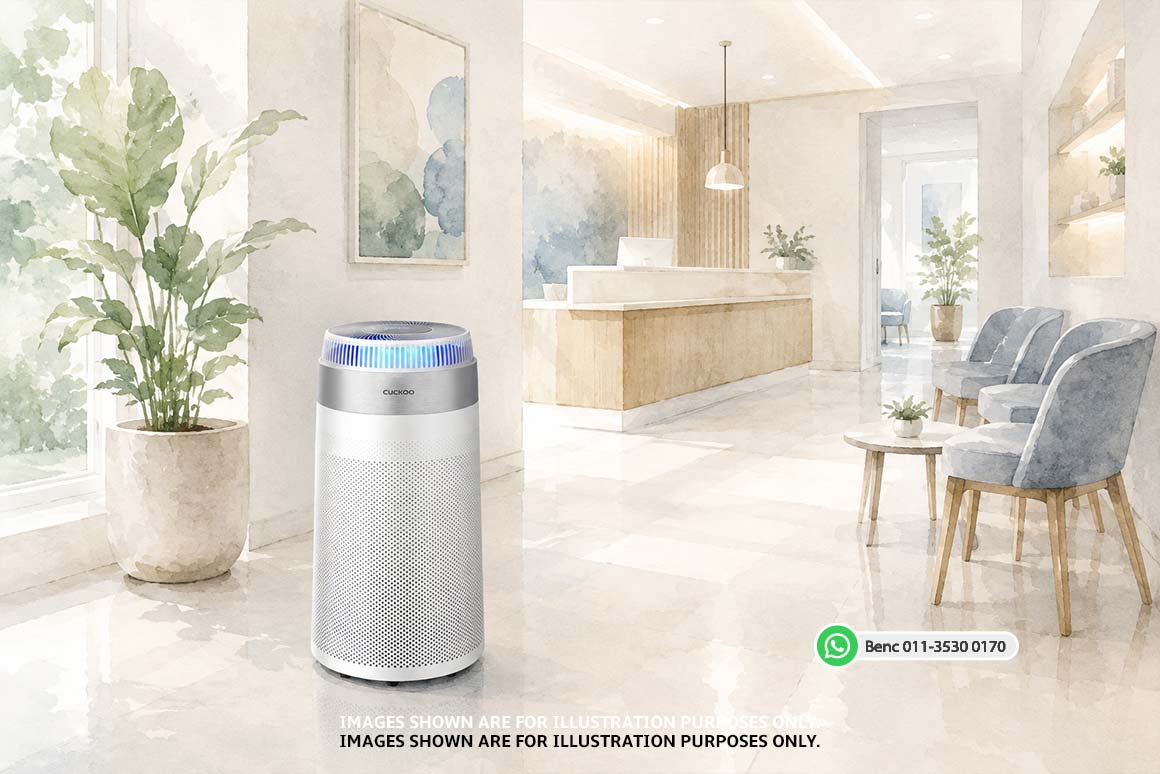
Introduction
Maintaining a clean and safe environment is essential for every healthcare facility. In clinics where patients visit daily for consultations, treatments, and check-ups, indoor air quality plays a critical role in supporting both patients and healthcare staff.
Many clinics today are installing air purifiers for clinics in Malaysia to improve indoor air quality and reduce airborne contaminants. Medical facilities often have enclosed waiting areas, consultation rooms, and treatment spaces where air circulation may be limited.
By improving clinic air quality in Malaysia, healthcare centres can create a healthier environment that supports patient comfort, staff well-being, and overall clinic hygiene. Air purifiers are becoming a practical appliance in modern medical clinics.
Importance
Why Indoor Air Quality Matters in Clinics
Healthcare environments are different from typical offices or homes. Clinics frequently accommodate patients with various health conditions, including respiratory illnesses.
Poor indoor air quality may lead to:
- Spread of airborne particles in enclosed spaces
- Accumulation of dust and allergens
- Unpleasant odours in waiting areas
- Reduced comfort for patients and staff
Installing a medical clinic air purifier helps filter common pollutants and improves overall comfort in clinic spaces.
Benefits
Benefits of Air Purifiers in Medical Clinics
1. Helps reduce airborne contaminants
Air purifiers use filtration systems such as HEPA filters to capture fine particles like dust, pollen, and smoke particles. Some systems may also help reduce airborne microorganisms.
2. Creates a safer environment for patients
Patients visiting clinics may have weaker immune systems or respiratory conditions. Cleaner air can help reduce exposure to common airborne pollutants and improve comfort.
3. Improves comfort in waiting areas
Waiting rooms often accommodate multiple patients at the same time. Air purifiers help keep air fresher and reduce stuffiness in enclosed spaces.
4. Supports staff health and productivity
Clinic staff spend long hours inside consultation and treatment areas. Better indoor air can support a more comfortable work environment.
5. Helps control odours
Clinics sometimes experience odours from disinfectants, chemicals, or treatment routines. Air purifiers can help reduce lingering smells and keep rooms more pleasant.
Placement
Where Clinics Should Place Air Purifiers
To maximize effectiveness, placement matters. Common locations include:
Waiting areas
This is where many patients gather, making air purification especially helpful.
Consultation rooms
Air purifiers can support cleaner air in enclosed examination rooms.
Treatment rooms
Procedures and treatments may create odours or airborne particles, making purification useful.
Dental clinic rooms
Dental practices may need a more specific setup because some procedures can release fine particles into enclosed treatment rooms. For dental-focused recommendations, compare the air purifier for dental clinic Malaysia guide.
Staff workspaces
Healthcare workers also benefit from cleaner indoor air throughout the workday.
Selection
Tips for Choosing the Right Air Purifier for Clinics
1. Coverage area
Choose an air purifier that matches the room size. Larger waiting rooms require higher coverage capacity.
2. High-efficiency filtration
Look for models with HEPA or multi-stage filtration designed to capture fine particles.
3. Quiet operation
Clinics require quiet environments so consultations and treatments are not disrupted.
4. Easy maintenance
Filters should be easy to replace, and maintenance schedules should be practical for clinic operations.
FAQ
Frequently Asked Questions
Why do clinics need air purifiers?
Air purifiers help improve indoor air quality by filtering dust, allergens, and fine airborne particles in enclosed clinic spaces.
Are air purifiers suitable for medical clinics?
Yes. Many clinics use air purifiers to support cleaner air in waiting rooms and consultation areas.
Can air purifiers remove bacteria and viruses?
Some air purifiers with advanced filtration systems can help capture airborne particles, including some microorganisms. Actual performance depends on the model and room conditions.
Where should air purifiers be placed in clinics?
Common areas include waiting rooms, consultation rooms, treatment rooms, and staff areas.
How often should air purifier filters be replaced?
Replacement schedules vary by model and usage. Many filters are replaced every few months, depending on air quality and operating hours.
Conclusion
Maintaining good indoor air quality is important for healthcare facilities. Installing an air purifier for clinics can help reduce common airborne contaminants, improve patient comfort, and support a healthier workplace for medical staff.
With increasing awareness of clinic indoor air quality in Malaysia, more healthcare centres are adopting air purification systems to create safer and cleaner environments. Choosing the right medical clinic air purifier supports better air circulation and comfort for both patients and healthcare professionals.
For model shortlisting and room planning, compare the main clinic air purifier Malaysia solution page.
Contact Ben
Need an Air Purifier for a Clinic?
Ben from CUCKOO Malaysia can help recommend the right air purifier solution for clinics based on room size, layout, and daily foot traffic.